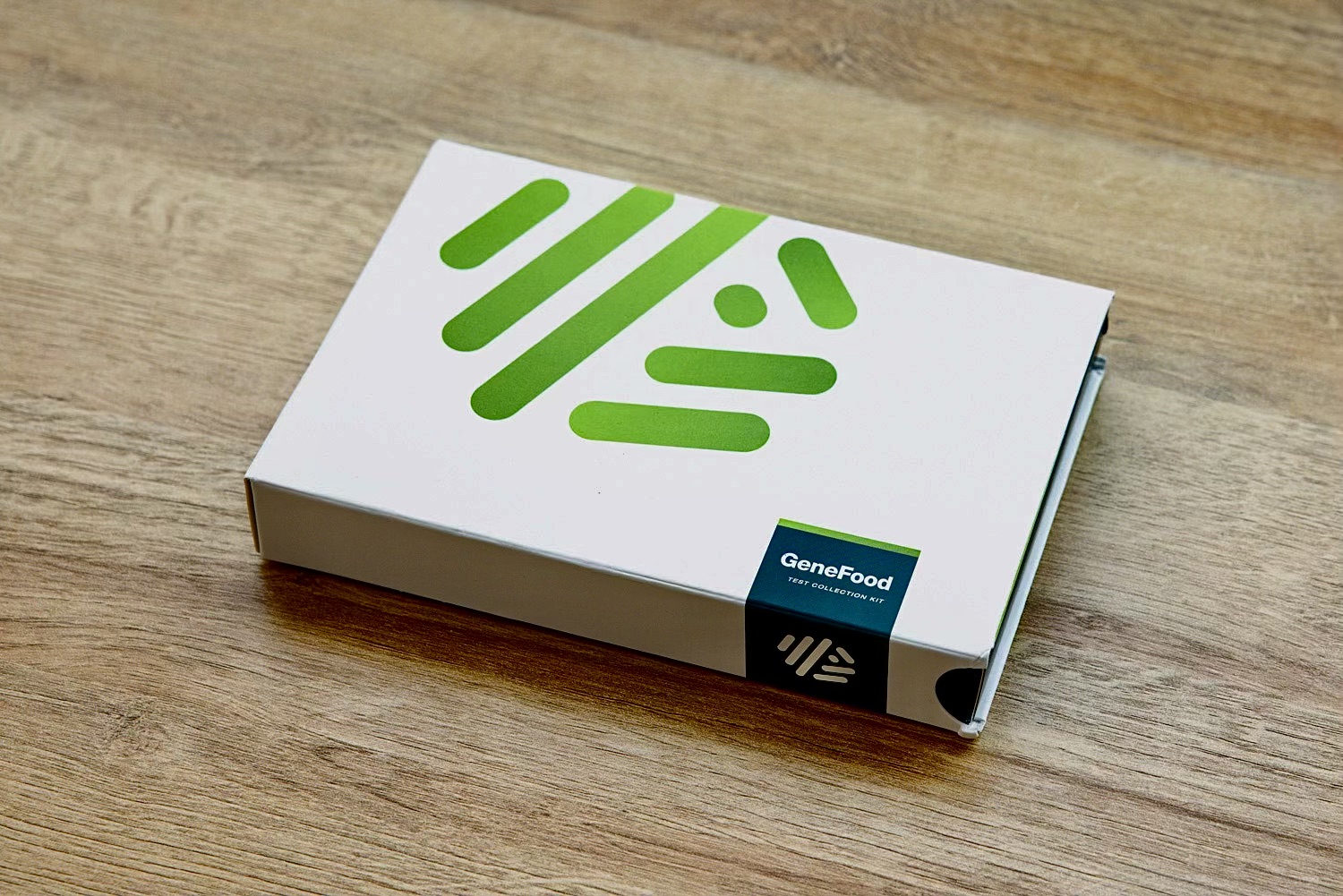
Histamine Score + Gene Food Diet Type
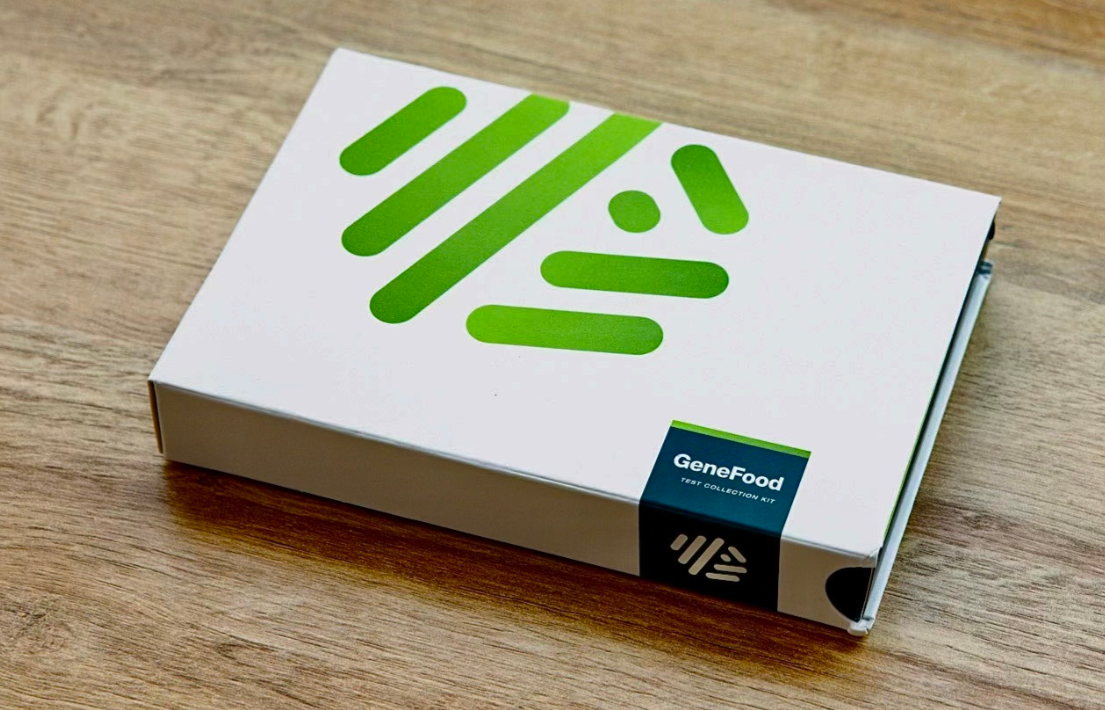
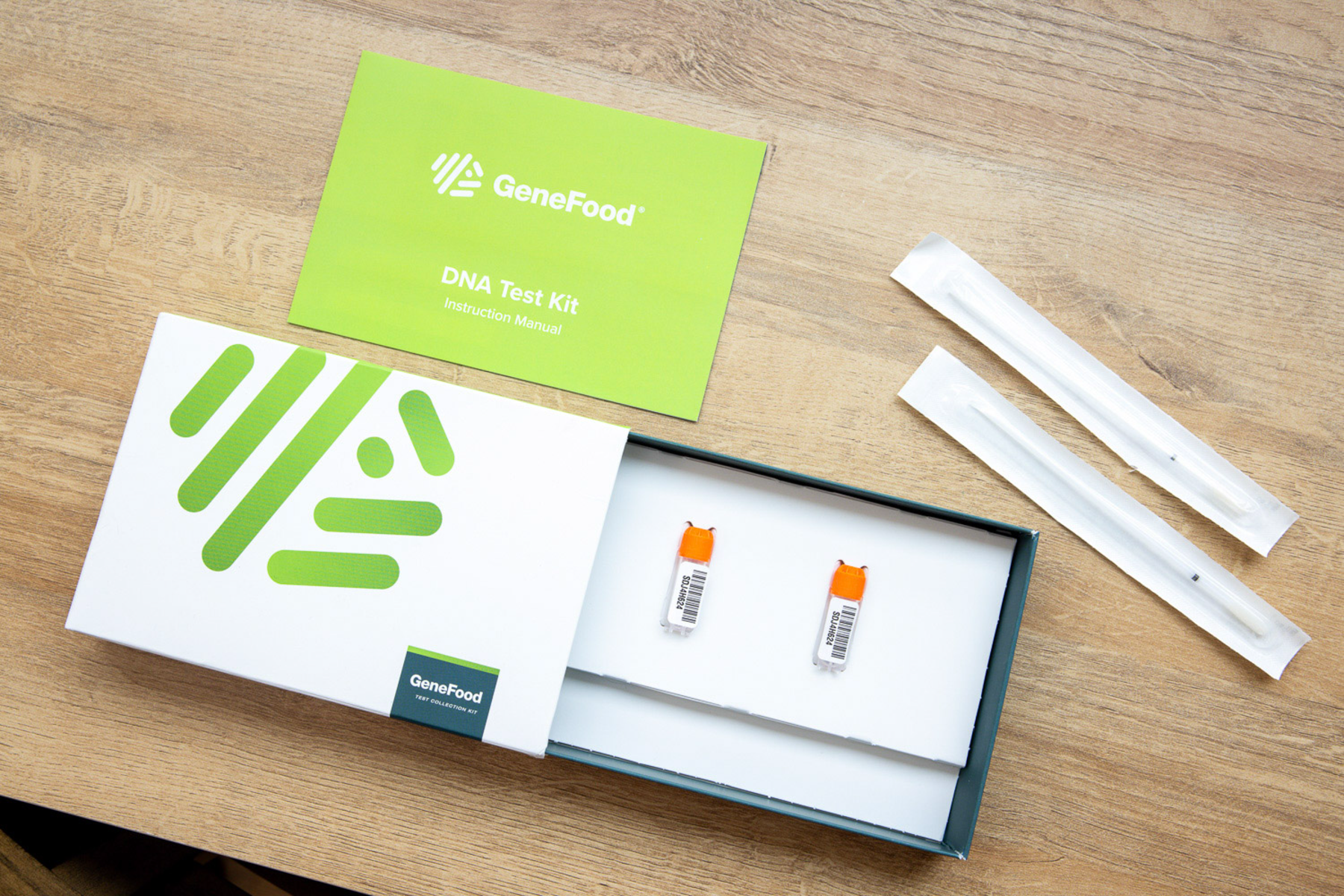

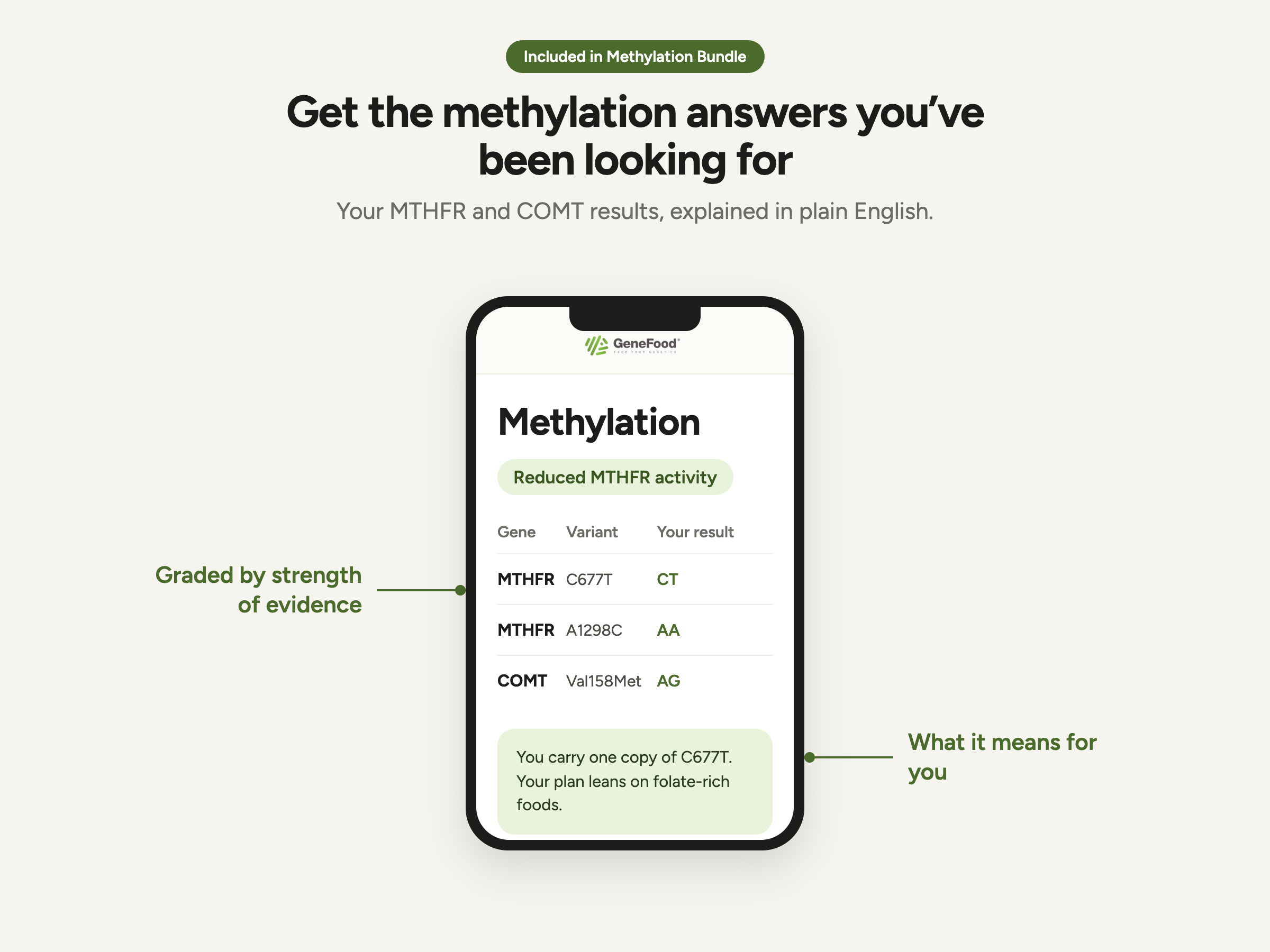
Genetics plays a role in histamine intolerance. Learn your status for the key genes involved in the histamine metabolism pathway with the Gene Food histamine scoring panel.
- CLIA-Certified Lab
- Personalized DNA insights
- Data Never Sold
What You'll Learn
- Tests for genes linked to histamine intolerance
- Data is 100% confidential and secure
- Personalized nutrition recommendations
- Learn your Gene Food diet type
Learn how your body metabolizes histamine
Would you benefit from a low histamine diet? Some individuals cannot efficiently metabolize histamine in the intestine, resulting in sensitivity to normal or even low histamine levels in food. Research has estimated that it affects 1–3% of the population, a percentage that is likely to increase as more knowledge and diagnostic tools for histamine intolerance become available. According to the American Journal of Clinical Nutrition, genetics can play a role in developing histamine intolerance. Some of us produce less diamine oxidase (DA) than others, which is the enzyme that clears extra-cellular histamine from the gut. The Gene Food histamine test uses polygenic risk scoring to evaluate genetic predispositions towards histamine intolerance, with an emphasis placed on the AOC1 gene and histamine clearance from the digestive tract. Histamine metabolism plays an important role in the algorithm we use at Gene Food to divide customers into one of twenty proprietary diet types.
Explore Plans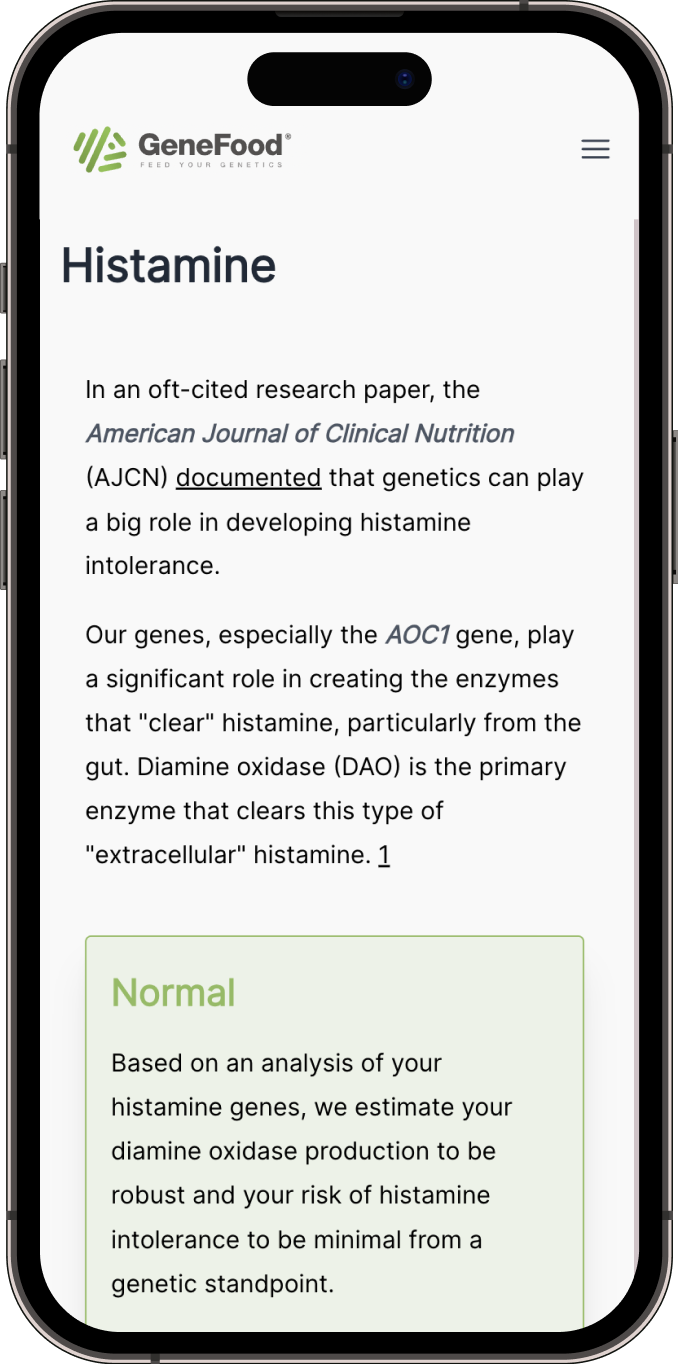
Satisfied customers
Twenty unique diet types, where will you fit?
Gene Food uses a proprietary algorithm to divide customers into one of twenty unique diet types based on dietary fat metabolism, ApoE status, carbohydrate response, histamine, and ability to digest lactose. Where will you fit?

West Angeleno
Healthy fats from whole foods, whole grains, fresh over leftovers, and two plant-based days a week.
Low carb, high fat

Wayoan
Plant-based and low-fat. Meat as a condiment, most dairy out, calories from complex carbs, wild fish for protein.
Macrobiotic template

Lean Machine
Whole grains and plant fats, no dairy, protein mostly from plants with wild fish to hold muscle.
Whole grains, plant fats

Villager
Low-fat, whole-food and plant-based. No oil, fresh over aged foods, calories from complex carbohydrates.
Low glycemic, low fat

Okinawan
Fiber-rich complex carbs make up most calories; saturated fat kept low, no seed oils, animal protein as a condiment.
High carb, very low fat

Vegetarian
Plants first with fish in the rotation. Complex carbs for calories, olive oil only, fresh foods to keep histamine down.
High carb, low fat

Urban Grazer
Robust genes, few restrictions. Whole grains, healthy fats, plant proteins, no dairy or processed meat.
Balanced, few limits

Hunter Gatherer
Omega-3s over saturated fat, low-glycemic carbs, mostly plant protein, and fresh foods to keep histamine in check.
Low glycemic, higher protein
Find out how your body actually handles carbs
Low-carb works for some people and backfires for others. In the PREDICT-1 trial, genetics accounted for nearly half of the variation in how much blood sugar rose two hours after a meal. Our CLIA-certified test scores your carbohydrate response across multiple validated SNPs, matches you to one of 20 diet types, and turns it into a plan: the carbs that suit you, the ones to limit, and a two-week meal plan built around them.